 Tracking shipments
Cargo tracking
Addtime:2026-01-31 Click:708.98
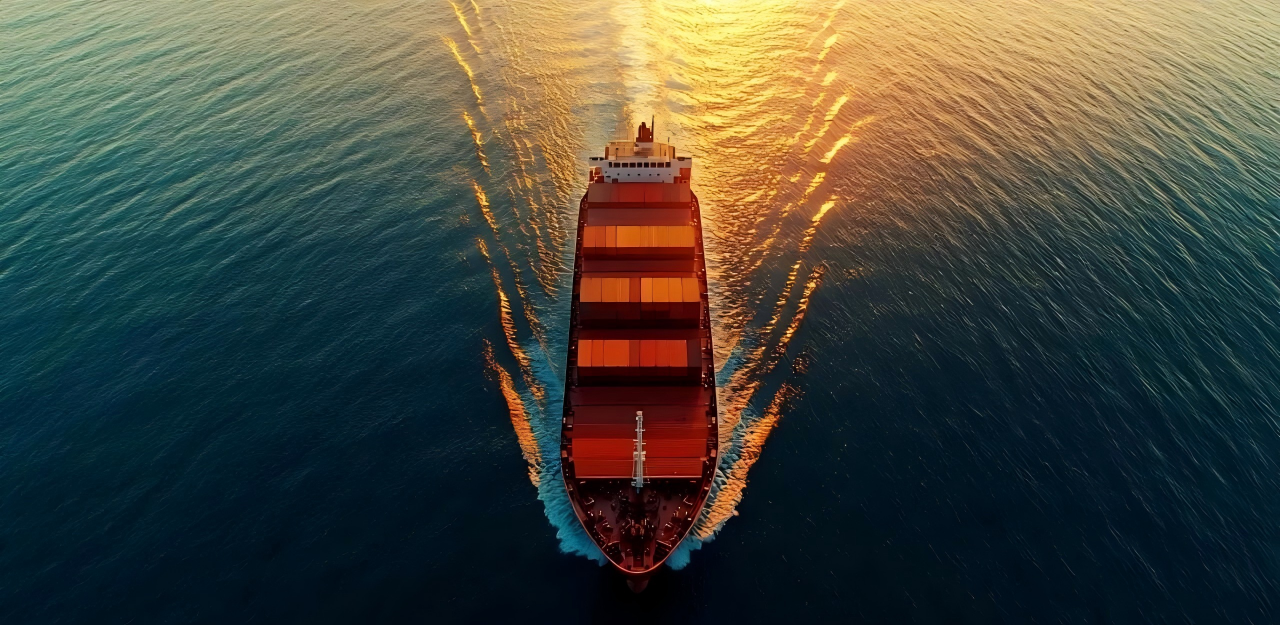
A giant cargo ship slowly sails through a fog-shrouded harbor, the course ahead barely visible—this is the true picture of global trade in 2026.
Just as the Secretary-General of UNCTAD warned that global trade faces "extreme uncertainty," glimpses of multilateral cooperation are emerging from unexpected quarters.
In less than a month into 2026, the global trade stage has witnessed several meaningful interactions. New cooperation roadmaps coexist with ongoing trade frictions. Amid the fog of uncertainty, some vessels have run aground while new routes are being charted.
In early January, China and Canada formally signed the Economic and Trade Cooperation Roadmap. A key component of this agreement is particularly noteworthy: Canada will open up import quotas for nearly 49,000 electric vehicles to China while adjusting tariff policies on rapeseed.
This move not only opens the door to a critical market but also signals a search for synergy between two major economies within the multilateral trading system.
Faced with pressures from global supply chain restructuring, this cooperative breakthrough serves as a vivid footnote to the optimized layout of transnational industrial chains. Agricultural trade between the two countries is also set to benefit, further promoting market diversification.
Equally noteworthy is the free trade agreement signed between the European Union and Mercosur in Paraguay. This transcontinental pact stipulates that Mercosur will apply zero tariffs to 91% of EU goods, while the EU will eliminate tariffs on 92% of Mercosur goods.
Once fully implemented, this agreement covering over 700 million people will become one of the world's largest regional free trade agreements.
The European Parliament is currently conducting a legal review, with the approval process expected to be completed in the second half of 2026. The advancement of this agreement demonstrates that regional economic integration continues to progress steadfastly, even against a backdrop of rising trade protectionism.
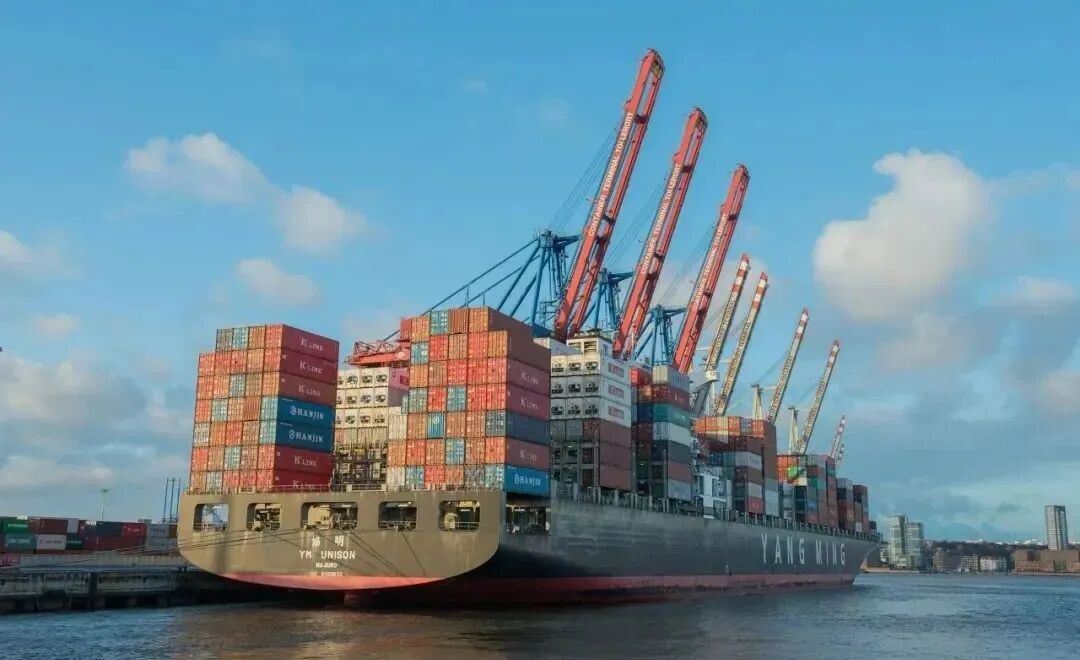
News of the gradual normalization of Red Sea shipping has brought a moment of respite for global trade. Maersk's announcement of resuming Suez Canal routes has temporarily reduced the risk of supply chain disruptions.
Beneath the calm, undercurrents persist. China has reinstated export license management for steel to stabilize trade order. Simultaneously, the United States and Canada have initiated trade investigations and anti-dumping measures against China, respectively.
These developments paint a complex trade landscape: On one hand, critical shipping lanes are reopening; on the other, trade management measures are becoming more refined, and friction points remain.
The multilateral trading system is seeking a new equilibrium. 2026 may see the rise of a new model of "limited multilateralism"—Centered on specific benefit exchanges, with a limited scope but significant practical results, limited in scope but demonstrably effective, will become more common.
The evolution of global trade rules is entering a delicate phase. New issues such as digital trade, green standards, and supply chain security will gradually be incorporated into multilateral discussions.
The voice of the Global South within the multilateral trading system continues to grow. The EU-Mercosur agreement indicates that developing economies are participating in global rule-making from a more equal footing.
WTO data shows that after the fluctuations of 2025, global merchandise trade volume is expected to achieve a modest growth of 3.3% in 2026. Although this figure is below historical averages, it is a welcome development in the current environment.
The key challenge for 2026 lies in: How to effectively translate the results of bilateral and regional cooperation into forward momentum for the multilateral trading system.
The real test is how to build a more inclusive and resilient trade system while maintaining openness. This requires major economies to demonstrate greater strategic wisdom and international organizations to play a more effective coordinating role.
The trade routes through the fog have never been so complex and changeable. What global trade is undergoing is not merely a course correction, but a fundamental rethinking of the very nature of cooperation.



Connecting the world across ocean.
Our goal is to move towards the future while
facing the sustainable development of the world.
客服电话: 400-02-MYRON (69766)
公司邮箱: shipping@myronlogistics.com
G.T. Land Plaza Building 1 – Suite 1208-5
No. 45, Jiefang East Road, Shangcheng District,
Hangzhou, Zhejiang Province, 310008








© 2023 Hangzhou Myron International Logistics Co., Ltd. All Rights Reserved. 浙ICP备2022031013号-1 www.myronlogistics.com
Design by :yushangweb
This website respects your privacy and we will use the necessary cookies to collect data to optimize your web experience, including security and network management. If you continue without changing your settings, we will assume that you agree to receive these cookies. To learn more about the cookies we use, please see our Privacy Policy.